How the Nervous System Impacts Strength Training Results: The Hidden Key to Performance and Recovery
This is a subtitle for your new post
Strength Starts in the Brain
Most people think of strength training as a purely muscular process—lift more weight, build more muscle, get stronger. But the truth is, real strength begins in the nervous system.
At Elevate Physical Therapy & Training in Overland Park, we integrate neuroscience-based techniques into our strength programs because your brain and nervous system are the ultimate control centers of performance.
When you train your nervous system to be more efficient, you move better, lift more, and recover faster.
The Nervous System: Your Body’s Power Grid
The nervous system is like an electrical network connecting your brain to every muscle in your body. It’s responsible for:
- Sending movement commands to your muscles
- Regulating coordination and balance
- Controlling reaction time and muscle recruitment
- Managing fatigue and recovery signals
If the communication between your brain and body isn’t clear, your strength potential is limited—no matter how hard you train.
That’s why Elevate focuses not just on building muscle, but on optimizing the neural pathways that make your muscles work effectively.
Neural Efficiency: The Secret Behind Strength Gains
When you start strength training, your early progress isn’t just from muscle growth—it’s from improved neural efficiency.
In the first few weeks of training, your brain learns to:
- Recruit more muscle fibers at once
- Fire signals faster to produce stronger contractions
- Synchronize left and right sides of the body for better control
This process—called neuromuscular adaptation—is why people often gain strength before they see visible muscle changes.
At Elevate, we take that principle to the next level by designing programs that specifically enhance nervous system performance through motor control training, reaction drills, and brain-based movement patterns.
How Stress and Fatigue Affect the Nervous System
Your nervous system doesn’t just control strength—it also manages stress and recovery.
When your brain perceives high stress, poor sleep, or pain, it activates the sympathetic nervous system (the “fight or flight” response). Over time, this can lead to:
- Decreased strength output
- Slower recovery
- Muscle tension and tightness
- Plateaued performance
On the other hand, when your parasympathetic nervous system (the “rest and repair” mode) is active, your body recovers faster, builds strength efficiently, and performs at its best.
Through breathing drills, mobility work, and neuro-focused recovery strategies, Elevate helps clients balance both systems for better long-term results.
How Elevate Integrates the Nervous System into Strength Training
At Elevate Physical Therapy & Training, we don’t separate rehab and performance—they’re part of the same continuum. Our programs combine physical therapy precision with strength training intensity, built around how the nervous system actually learns and adapts.
Here’s what that looks like in practice:
1. Movement Assessments That Go Beyond Muscles
We evaluate balance, coordination, vision, and joint control to see how efficiently your nervous system communicates with your body.
2. Brain-Based Activation Drills
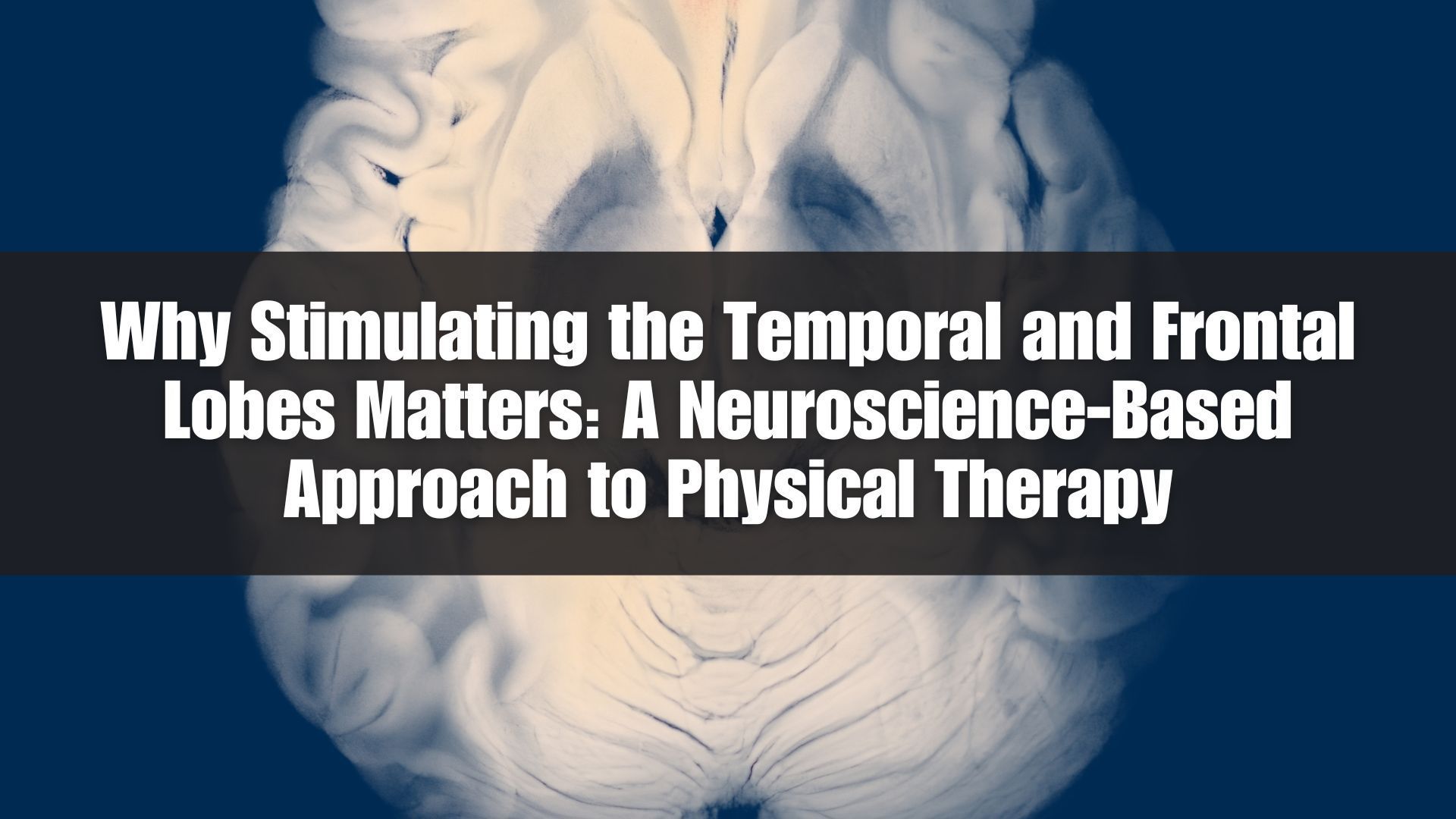
Before lifting heavy, we use targeted frontal and temporal lobe stimulation, eye movement drills, and reaction training to prime the brain for optimal output.
3. Neural Load Progression
We design strength programs that challenge both muscular and neurological capacity—gradually teaching the nervous system to tolerate more intensity safely.
4. Recovery & Regulation
We teach strategies to calm the nervous system post-training, improving adaptation, recovery, and sleep quality.
This integration is what sets Elevate apart from traditional gyms or cookie-cutter training programs.
Why This Matters for Injury Prevention
The nervous system is the first line of defense against injury. It constantly monitors joint position, tension, and movement safety.
When the brain perceives instability or threat, it will “downregulate” power—meaning it limits your strength output to protect you. That’s why weak movement patterns often lead to overcompensation, fatigue, or pain.
By improving your nervous system’s control and confidence in movement, you reduce those protective responses—keeping your body strong and injury-free.
Who Benefits from Neural-Based Strength Training?
This approach isn’t just for elite athletes. At Elevate, we use it with:
- Post-rehab clients rebuilding confidence after injury
- Adults who want to move better and prevent pain
- Athletes looking to improve speed, agility, and coordination
- Older adults wanting to maintain strength and balance safely
Anyone who moves can benefit from training their nervous system as much as their muscles.
The Elevate Difference: Physical Therapy Meets Performance Science
Our Overland Park physical therapy and training studio bridges the gap between rehab and athletic performance. With a Doctor of Physical Therapy and Certified Strength & Conditioning Specialist (CSCS) guiding your progress, you’ll get a customized plan that includes:
- Neuroscience-informed drills for brain–body optimization
- Strength and conditioning built for your goals
- Dry needling and manual therapy for recovery
- Personalized progression tracking to ensure measurable results
Whether you’re coming back from injury or looking to break through a training plateau, Elevate helps you perform at your full neurological potential.
Ready to Train Smarter, Not Harder?
The next level of strength training isn’t just about lifting more weight—it’s about training your nervous system to unlock your true potential.
At Elevate Physical Therapy & Training in Overland Park, we combine cutting-edge neuroscience with proven physical therapy methods to help you move, perform, and recover better than ever.
Schedule your consultation today and experience how brain-based strength training can change the way you move—forever.